Revolutionizing Inspections: Drone Photography for Roofs and Towers
- dronebyneal
- 1 day ago
- 4 min read
In recent years, the use of drone technology has transformed various industries, and the inspection sector is no exception. Traditional methods of inspecting roofs and towers often involve significant risks, time, and costs. However, drone photography has emerged as a game-changing solution, offering a safer, faster, and more efficient way to conduct inspections. This blog post will explore how drone photography is revolutionizing inspections, the benefits it brings, and practical examples of its application.
The Shift to Drone Technology
Understanding the Need for Change
Traditional inspection methods often require workers to climb ladders, scaffolding, or even use cranes to access hard-to-reach areas. This not only poses safety risks but also increases the time and cost associated with inspections. According to the Occupational Safety and Health Administration (OSHA), falls are one of the leading causes of workplace fatalities, particularly in construction and maintenance sectors.
By utilizing drone technology, companies can significantly reduce these risks. Drones can easily access high and difficult locations without putting human lives in danger. This shift is not just about safety; it also enhances efficiency and accuracy in inspections.
How Drones Work in Inspections
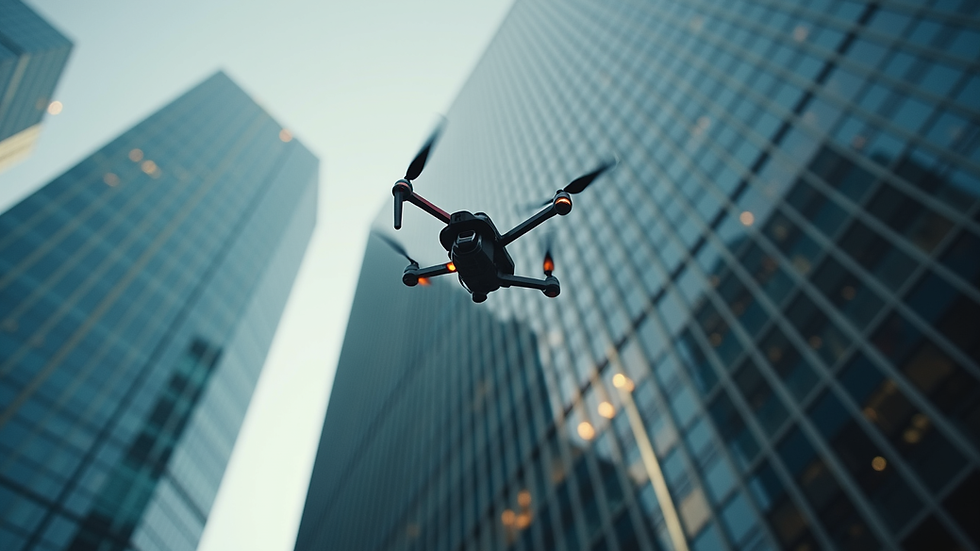
Drones equipped with high-resolution cameras and advanced imaging technology can capture detailed images and videos of roofs and towers. These aerial views provide inspectors with a comprehensive understanding of the condition of structures without the need for physical access.
Key features of drone inspections include:
High-resolution imagery: Drones can capture images in high detail, allowing for better analysis.
Thermal imaging: Some drones are equipped with thermal cameras that can detect heat loss, moisture intrusion, and other issues not visible to the naked eye.
Real-time data transmission: Inspectors can receive live feeds from drones, enabling immediate assessments and decision-making.
Benefits of Drone Photography for Inspections
Enhanced Safety
One of the most significant advantages of using drones for inspections is the enhanced safety they provide. By eliminating the need for workers to climb heights, the risk of accidents and injuries is drastically reduced. This not only protects workers but also minimizes liability for companies.
Cost Efficiency
Drone inspections can be more cost-effective than traditional methods. The reduction in labor costs, equipment rental, and time spent on-site can lead to significant savings. For example, a roofing company that previously spent thousands on scaffolding and labor can now conduct inspections with a drone for a fraction of the cost.
Time Savings
Drones can complete inspections in a fraction of the time it would take using traditional methods. What might take hours or even days can often be done in minutes. This rapid turnaround allows companies to respond quickly to issues and maintain their operations without unnecessary delays.
Improved Data Quality
The high-resolution images and videos captured by drones provide a level of detail that is often unattainable through traditional inspection methods. This improved data quality allows for more accurate assessments and better-informed decision-making.
Accessibility to Hard-to-Reach Areas
Drones can easily access areas that are otherwise difficult or dangerous for inspectors to reach. This includes steep roofs, tall towers, and remote locations. By using drones, inspectors can gather data from these challenging areas without putting themselves at risk.
Practical Applications of Drone Inspections
Roof Inspections
Roof inspections are one of the most common applications of drone technology. Drones can quickly assess the condition of a roof, identifying issues such as missing shingles, leaks, or structural damage. For instance, a roofing contractor can use a drone to inspect a large commercial building, capturing detailed images that highlight areas needing repair.
Tower Inspections
Telecommunication towers and wind turbines are other areas where drone inspections shine. Inspectors can use drones to assess the structural integrity of these tall structures without the need for climbing. This not only saves time but also ensures that inspections are conducted safely and efficiently.
Infrastructure Inspections
Drones are also being used to inspect bridges, dams, and other critical infrastructure. The ability to capture high-quality images and data allows engineers to monitor the condition of these structures over time, identifying potential issues before they become serious problems.
Insurance Assessments
Insurance companies are increasingly using drones to assess damages after natural disasters. Drones can quickly survey affected areas, providing insurers with the data needed to process claims more efficiently. This not only speeds up the claims process but also helps ensure that policyholders receive the support they need in a timely manner.
Challenges and Considerations
Regulatory Compliance
While drone technology offers numerous benefits, it is essential to comply with regulations set by aviation authorities. In many countries, drone operators must obtain licenses and adhere to specific guidelines regarding flight operations. Companies looking to implement drone inspections should familiarize themselves with these regulations to ensure compliance.
Technical Limitations
Despite their advantages, drones do have limitations. Weather conditions can impact flight capabilities, and battery life can restrict the duration of inspections. Companies must consider these factors when planning drone inspections to ensure successful operations.
Training and Expertise
To maximize the benefits of drone inspections, companies need trained personnel who can operate drones and analyze the data collected. Investing in training programs for staff can enhance the effectiveness of drone inspections and ensure that companies fully leverage this technology.
The Future of Drone Inspections
As technology continues to evolve, the capabilities of drones will only improve. Future advancements may include:
Artificial Intelligence (AI): Integrating AI with drone technology could enhance data analysis, allowing for automated assessments and predictions based on historical data.
Improved battery life: Longer-lasting batteries will enable drones to cover larger areas and conduct more extensive inspections without needing to recharge.
Enhanced imaging technology: Future drones may feature even more advanced imaging capabilities, providing inspectors with unparalleled detail and insights.
Conclusion
Drone photography is revolutionizing the way inspections are conducted for roofs, towers, and other structures. By enhancing safety, improving efficiency, and providing high-quality data, drones are transforming the inspection landscape. As technology continues to advance, the potential for drone inspections will only grow, making them an essential tool for companies in various industries.
For those considering implementing drone technology for inspections, now is the time to explore the possibilities. Investing in drone inspections can lead to significant benefits, including cost savings, improved safety, and enhanced data quality. Embrace the future of inspections and discover how drone technology can elevate your operations.


Comments